

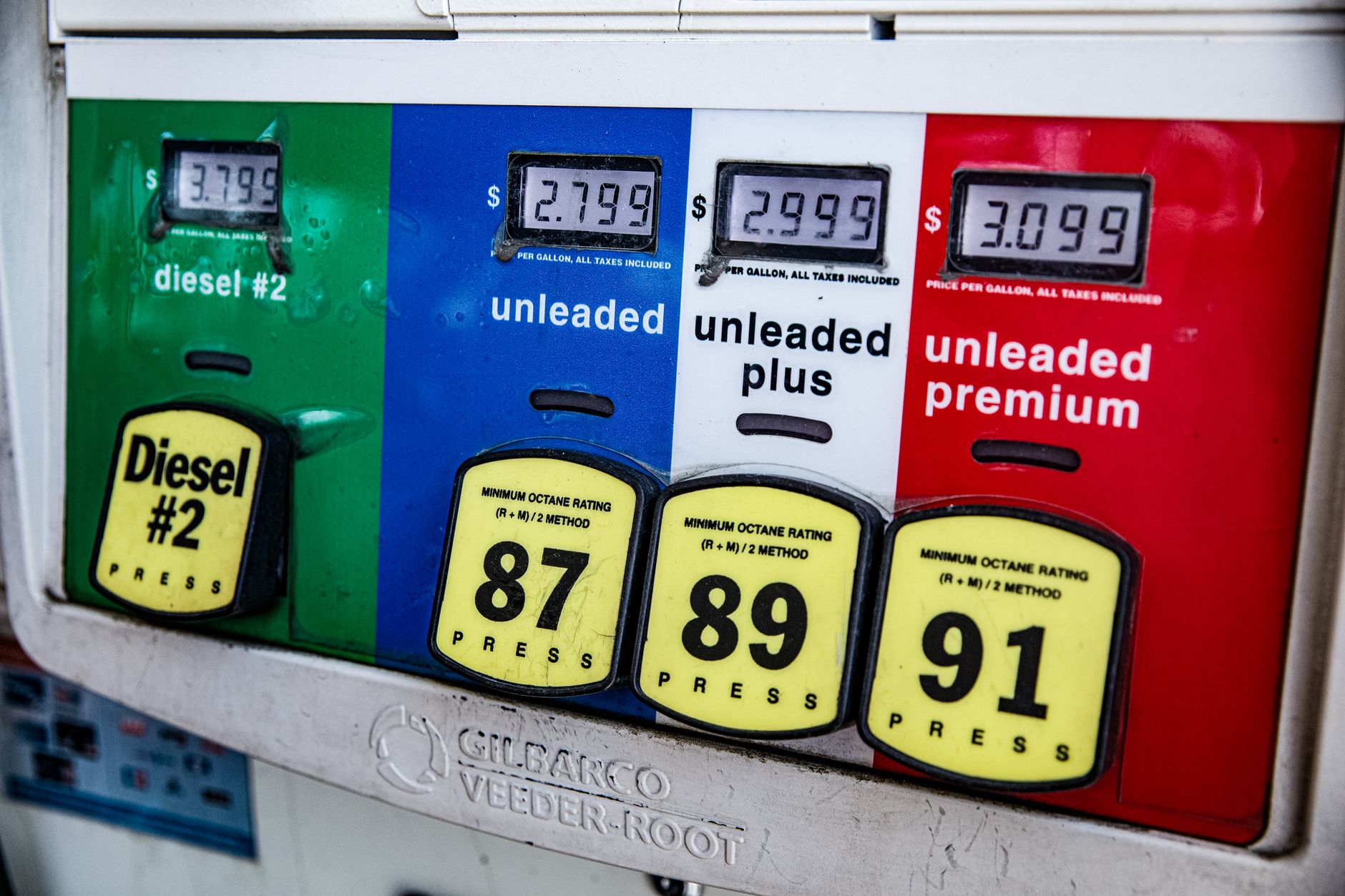
oil prices rise in response to escalating tensions between Iran and the U.S., reaching a six-week high. This situation raises concerns about the potential financial impact on consumers and markets alike.
Understanding the Current Oil Prices Rise
The recent surge in oil prices has caught the attention of consumers and analysts alike. As oil prices rise, it is essential to understand the factors contributing to this upward trend and its implications for everyday life.
Multiple geopolitical events have played a role in driving prices higher. Key developments include:
- The ongoing tensions between Iran and the U.S., which have escalated recently, affecting global supply chains.
- Reported attacks on Saudi Aramco facilities, which serve as a critical component of the world’s oil production.
- Market reactions to these incidents, resulting in increased speculation and a rise in oil futures.
As oil prices rise to a six-week high, consumers are likely to feel the effects at the pump. Higher oil prices generally lead to increased gasoline costs, which can ripple through the economy. This can result in a higher cost of living, affecting everything from transportation to food prices.
Ultimately, understanding the current oil prices rise is crucial for consumers making budgeting decisions in light of these developments. Keeping an eye on market trends can help individuals prepare for potential changes in their expenses.
Factors Behind the Oil Prices Rise
The recent surge in oil prices can be attributed to several critical factors that have created a perfect storm in the global energy market. One of the primary drivers has been escalating tensions in the Middle East, particularly between Iran and the United States. These geopolitical conflicts have raised concerns about supply disruptions, leading to increased speculation among traders.
Additionally, a recent attack on Saudi Aramco facilities has further compounded these fears. As one of the world’s largest oil producers, any threat to Saudi production capabilities can significantly impact global oil supply, pushing prices higher.
Furthermore, demand recovery in various regions, especially as economies continue to rebound from the pandemic, has also contributed to the rise in oil prices. Countries are gradually increasing their consumption as travel restrictions ease and industries ramp up operations.
Lastly, the strategic decisions made by OPEC and its allies regarding production levels play a crucial role in shaping market dynamics. As they navigate the balance between supply and demand, their choices can lead to fluctuations that directly affect consumers.
In summary, geopolitical tensions, supply threats, and recovering demand are all pivotal factors behind the recent oil prices rise, ultimately affecting what consumers pay at the pump.
Impact of Oil Prices on Global Economy
The recent surge in oil prices rise has significant implications for the global economy, affecting everything from consumer goods to transportation costs. As oil becomes more expensive, countries that are heavily reliant on oil imports face increased inflation rates, which can lead to higher prices for everyday items.
Several factors contribute to the ripple effect caused by rising oil prices:
- Inflation: Higher oil prices often lead to increased transportation costs, which businesses typically pass on to consumers.
- Consumer Spending: As fuel prices rise, households may cut back on discretionary spending, impacting various sectors from retail to entertainment.
- Investment: Fluctuating oil prices can create uncertainty, affecting investment decisions within energy and related industries.
- Geopolitical Tensions: Events such as conflicts or trade disputes can exacerbate oil price volatility, creating further economic instability.
In light of these factors, it is crucial for consumers to stay informed about how oil prices rise can impact their wallets. Understanding this dynamic can help individuals make better financial decisions as they navigate a fluctuating market.
Future Predictions for Oil Prices
As oil prices rise to a six-week high following tensions between Iran and the U.S., many analysts are considering the potential future trajectory of these prices. Economists suggest that several factors will influence the market in the coming months.
- Geopolitical Tensions: Ongoing conflicts in the Middle East can create significant volatility in oil prices. If tensions escalate, we may see further increases in costs at the pump.
- Supply Chain Disruptions: Reports of attacks on Saudi Aramco facilities could lead to supply shortages, causing prices to rise even more. A tight supply situation may persist if production is hindered.
- Global Demand Recovery: As economies recover from the pandemic, demand for oil is expected to grow. Increased demand coupled with limited supply could further elevate prices.
Experts predict that if current trends continue, we may experience a prolonged period of high oil prices, impacting consumers directly. With oil prices rise affecting everything from transportation costs to heating bills, households will need to adjust their budgets accordingly.
In conclusion, the future of oil prices remains uncertain, but the implications for everyday consumers could be significant.
Photo by Ekaterina Belinskaya on Pexels