
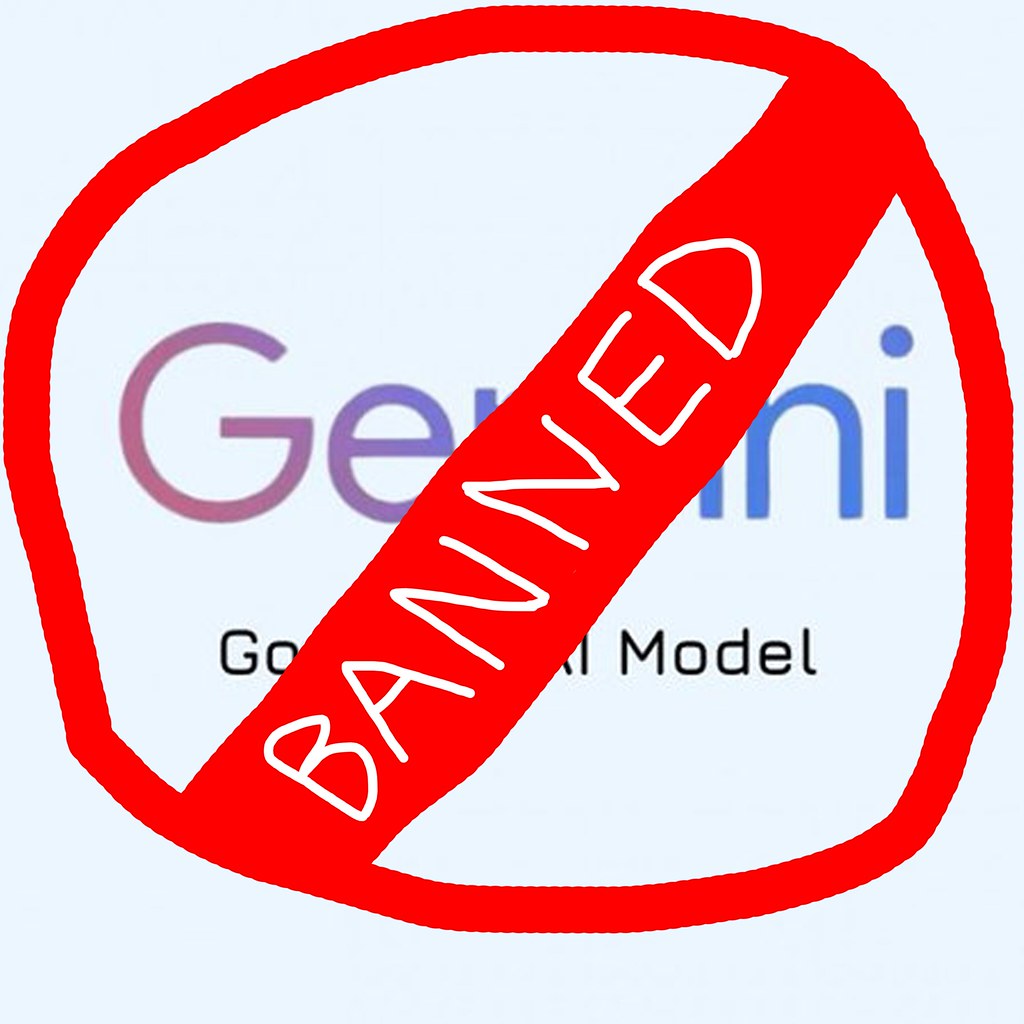
Google Gemini models are undergoing significant changes, as two of the three models will be cut for free users starting October 9. This decision has raised concerns among users about the future of AI accessibility.
Overview of Google Gemini Models
In a significant move impacting free users, Google has announced that, effective October 9, it will reduce access to its Google Gemini models. This decision comes as the tech giant streamlines its offerings, leaving only one model available to users without a subscription. The Gemini models, known for their advanced capabilities in handling complex tasks, have been a valuable resource for many. However, with the new changes, users will face limitations that could affect their experience.
The adjustments include:
- Elimination of two out of the three available models for free users.
- Focus on enhancing the remaining model’s performance and usability.
- Potential upsell strategies for users to access the full suite of Gemini models.
This shift raises concerns regarding accessibility and the future of free tools in an increasingly competitive market.
Impact on Free Users
The recent changes to the Google Gemini models have sent shockwaves through the user community, particularly among free users. As of October 9, Google has announced a significant reduction in the accessibility of its model offerings.
With two out of three Gemini models being cut for non-paying users, many are left wondering how this will affect their experience. The implications of these cuts are profound, as users now face limitations in functionality and access to advanced features that were previously available.
Free users can expect the following impacts:
- Reduced functionality: Key features may be unavailable.
- Limited updates: Fewer enhancements and improvements.
- Increased reliance on paid options: Users may feel pressured to upgrade.
These developments raise concerns about the long-term viability of free access to high-quality AI tools.
What Users Are Saying
As the news of Google Gemini models’ changes spreads, users have taken to social media to express their frustration. Many free users feel the adjustments have significantly limited their access to the advanced features that were once available.
Common sentiments among users include:
- Disappointment: Users are disappointed that two out of three Google Gemini models will no longer be accessible, especially after relying on these tools for various tasks.
- Confusion: Some are confused about the reasoning behind the cuts, questioning the benefits of the remaining model.
- Calls for Transparency: Many are urging Google to provide clearer communication regarding future updates and what this means for free users.
Overall, the reaction highlights a growing concern over the accessibility of AI tools as Google refines its offerings.
Alternatives to Google Gemini
As Google Gemini models undergo significant changes, users are exploring alternatives to maintain their productivity and creativity. While the recent cuts have left many free users searching for options, several platforms remain viable substitutes.
- OpenAI GPT-3: Known for its versatility, this model provides robust language processing capabilities suitable for various tasks.
- Microsoft’s Azure OpenAI Service: This service integrates advanced AI models and can be tailored to meet specific user needs.
- Hugging Face Transformers: An open-source library that allows users to experiment with different AI models and find the best fit for their projects.
- Cohere: Offers language models that are highly customizable and user-friendly, making them a great alternative.
These options help bridge the gap as users adapt to the limitations of the Google Gemini models.
Future of AI Models
The future of AI models, particularly with the introduction of Google Gemini models, is now under scrutiny following significant changes. As Google adjusts its offerings, many free users are left questioning the sustainability of accessible AI. With the recent decision to cut two of the three Gemini models for free users, the landscape of available tools is shifting dramatically.
Experts suggest that these changes could push users towards premium options, as remaining free models may not meet the evolving demands of users seeking robust AI capabilities. Concerns are mounting about the implications for innovation and accessibility in AI development.
Additionally, as competition intensifies among AI providers, the future may necessitate a reevaluation of what users expect from free services. Will Google’s cuts lead to a more segmented market, or will alternative models emerge to fill the gap left by the Gemini changes?
Conclusion and Next Steps
In conclusion, the recent changes to the Google Gemini models have left many free users feeling sidelined. With the decision to cut two out of three models available to this group, the landscape of accessibility in AI tools has shifted significantly. Users are encouraged to explore alternative AI solutions that may offer more favorable terms or features without the limitations imposed by these cuts.
As the AI landscape continues to evolve, it is crucial for users to stay informed about updates and new offerings from various providers. Google Gemini models may still hold potential for those willing to invest in premium options, but free users must adapt and find ways to leverage the tools at their disposal.
Ultimately, staying engaged with community discussions and feedback on these changes will help users navigate this new terrain effectively.
By PatrickRich via Openverse