

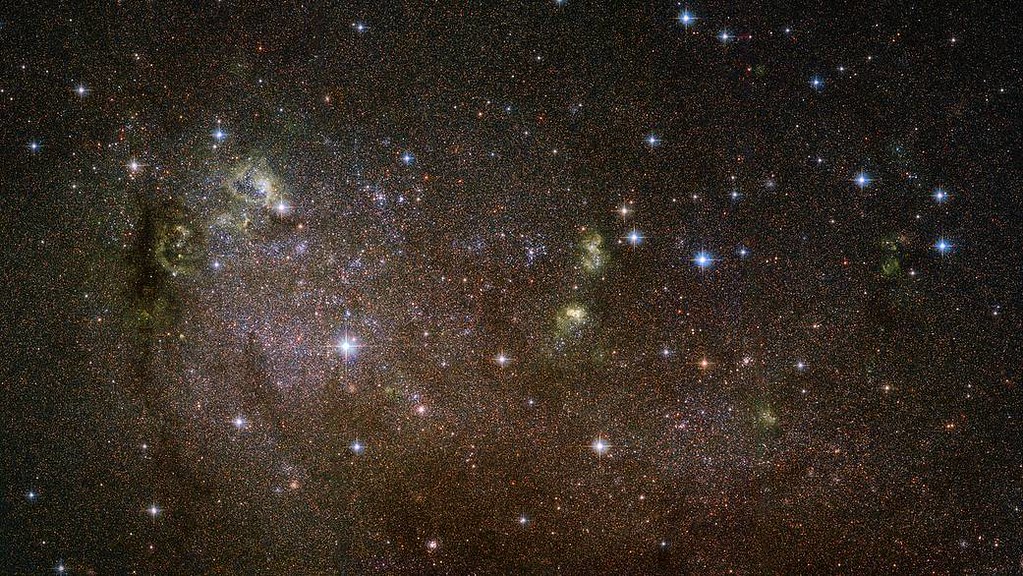
The Swift space telescope mission has officially ended, marking a significant moment in NASA’s exploration efforts. This decision follows a failed rescue attempt that aimed to extend the mission’s lifespan.
Overview of the Swift Space Telescope
The Swift space telescope mission, launched in 2004, was designed to detect and study gamma-ray bursts and other astronomical phenomena. Over its nearly two decades of operation, Swift has made significant contributions to our understanding of the universe.
Equipped with three powerful instruments, Swift could observe the universe in gamma rays, X-rays, and ultraviolet/optical wavelengths. This capability allowed scientists to capture a wide range of cosmic events, leading to groundbreaking discoveries.
- Gamma-Ray Bursts: Swift was instrumental in identifying and analyzing gamma-ray bursts, which are among the most energetic events in the universe.
- Collaboration: The mission fostered international collaborations, sharing data with observatories around the globe to enhance astronomical research.
- Scientific Publications: In its lifetime, Swift contributed to over 2,000 scientific papers, showcasing the depth of its impact on various fields within astrophysics.
Despite its successes, the recent decision by NASA to end the Swift space telescope mission follows a failed attempt at a rescue operation, highlighting the challenges faced by aging space observatories. The mission’s legacy will continue to influence future research and inspire new generations of astronomers.
Reasons for the Mission’s Conclusion
The decision to conclude the Swift space telescope mission has been met with a mix of understanding and disappointment among the scientific community. Several key factors contributed to NASA’s choice to end this significant mission.
- Technical Limitations: The primary reason for the mission’s conclusion was the aging technology of the Swift telescope, which showed signs of wear and reduced operational capacity. Attempts to restore its functionality were unsuccessful.
- Mission Objectives: Swift was designed to study gamma-ray bursts and other cosmic phenomena. However, as its instruments became less reliable, the ability to meet its scientific objectives diminished.
- Resource Allocation: NASA faces numerous competing priorities in its space exploration initiatives. With the costs of maintaining the Swift telescope outweighing the benefits, resources were redirected to newer missions with more promising capabilities.
- Success of the Mission: The Swift space telescope mission yielded invaluable data over its operational life, contributing significantly to our understanding of the universe. The decision to conclude it respects the mission’s achievements and aims to build upon its legacy.
Although the Swift space telescope mission has ended, its contributions to astrophysics will be remembered and built upon in future explorations.
Impact on Future Space Missions
The conclusion of the Swift space telescope mission marks a significant moment in the field of astrophysics, prompting reflections on its impact on future space missions. As NASA transitions from the data-rich legacy of Swift, the lessons learned will inform the design and implementation of upcoming observational projects.
One of the primary impacts will be on the development of next-generation telescopes that aim to capture the dynamic universe. Key considerations will include:
- Adaptability: Future missions will need to incorporate more flexible technologies to handle unforeseen challenges, similar to those faced during the Swift mission.
- Interdisciplinary Collaboration: Lessons in collaboration among different scientific disciplines will enhance mission effectiveness, ensuring diverse expertise is utilized.
- Long-term Data Management: The vast amount of data generated during Swift’s operation emphasizes the need for robust data management systems in future missions.
Furthermore, the unique observations made by the Swift space telescope will serve as a foundation for new hypotheses and explorations. This mission’s end does not signify a halt in discovery but rather a transition into a new era of space exploration, shaped by the insights gained from Swift’s groundbreaking work.
NASA’s Rescue Attempts Explained
The conclusion of the Swift space telescope mission has raised questions about NASA’s rescue attempts, which were aimed at prolonging its operations. After years of significant contributions to the field of astrophysics, the agency faced a crucial decision regarding the telescope’s functionality.
NASA’s efforts to revive the Swift telescope included:
- Software Updates: Engineers attempted to implement software patches to resolve operational issues that arose in the system.
- Hardware Checks: A thorough examination of the telescope’s hardware was conducted to identify any malfunctions that could be repaired.
- Resource Allocation: Astronomers worked to ensure that the remaining resources were optimally used to extend the mission’s life.
Despite these attempts, the telescope’s performance did not improve, leading to the difficult conclusion that the Swift space telescope mission could not continue. NASA’s decision reflects not only the inherent challenges of prolonged space missions but also the agency’s commitment to ensuring the reliability and effectiveness of its scientific instruments. The end of the Swift mission marks a significant transition, providing valuable lessons for upcoming missions in the quest to explore the universe.
What Comes Next for Swift’s Discoveries
As NASA concludes the Swift space telescope mission, the astronomical community is left to ponder the future implications of its discoveries. The data collected over nearly two decades has significantly advanced our understanding of the universe, particularly in gamma-ray bursts and other cosmic phenomena.
With the mission officially ended, researchers are now tasked with analyzing the extensive database that Swift has provided. This includes insights into:
- Gamma-ray bursts: Swift’s observations have revealed crucial information about the origin and mechanics of these powerful events.
- Supernovae: The telescope has contributed to a deeper understanding of stellar explosions and their role in the cosmic landscape.
- Exoplanet research: Swift’s findings have also provided valuable data for ongoing studies in the search for habitable planets.
Though the Swift space telescope mission has concluded, its legacy continues through the vast amount of data available for further exploration. Researchers worldwide are eager to leverage this treasure trove of information to address unresolved questions and spark new inquiries about the universe.
In this way, the end of Swift’s mission marks not a conclusion, but a new chapter in cosmic discovery.
By NASA Goddard Photo and Video via Openverse