

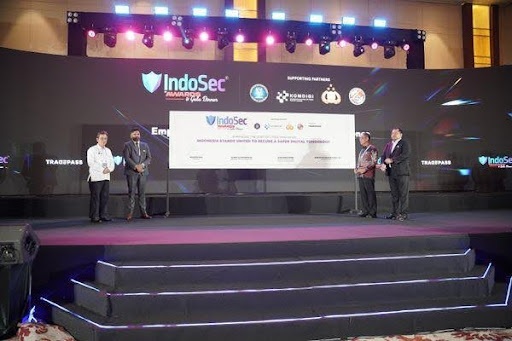
In an era marked by increasing digital threats and rapidly evolving technology, organizations across sectors are investing heavily in cybersecurity to protect critical assets and maintain trust. Amid this transformation, cybersecurity expos have emerged as powerful platforms that bring together experts, innovators, and decision‑makers to share insights, tools, and strategies for combating modern threats. These events are not just gatherings; they are hubs of innovation where professionals learn about the latest tools, frameworks, and best practices that can strengthen defenses and future‑proof digital infrastructure. By facilitating the exchange of knowledge and fostering collaboration across industries and geographies, major security events are shaping the landscape of cyber defense in unprecedented ways.
Knowledge Exchange and Thought Leadership
One of the most important contributions of major security gatherings is their role in facilitating deep knowledge exchange. Through expert presentations, workshops, and interactive sessions, attendees gain exposure to cutting‑edge ideas and practical insights that they can apply within their own organizations. Below are key ways that thought leadership at these events propels cyber defense forward.
-
Showcasing Emerging Technologies
At major security forums, experts demonstrate the newest advancements in defensive technologies such as AI‑powered threat detection, secure automation systems, and behavior‑based analytics platforms. These showcases help professionals identify tools that can streamline threat identification and response while reducing manual workloads. Seeing these innovations in action often accelerates adoption back in the workplace, helping organizations become more resilient against dynamic cyber risks.
-
Expert Panels with Real‑World Case Studies
Panels led by industry veterans and practitioners are central to cybersecurity gatherings. In these sessions, speakers dissect real incidents, share lessons learned, and discuss how breaches were identified and mitigated. These real‑world examples offer invaluable operational lessons that are often missing from textbooks, helping attendees better prepare for the kinds of complex attacks they may face.
-
Interactive Workshops for Skill Building
Beyond passive listening, many events include hands-on workshops that allow participants to directly interact with tools and techniques under expert guidance. These practical sessions enable professionals to sharpen skills such as incident response, vulnerability scanning, and secure system design—ensuring theoretical insights can be applied immediately in their daily work.
-
Research Presentations Driving New Ideas
Cybersecurity expositions often provide platforms for researchers to unveil original findings on subjects like threat intelligence patterns, malware evolution, and defensive architectures. By bringing academic thought into the industry spotlight, these presentations help bridge the gap between theoretical research and practical application, encouraging innovation that is grounded in rigorous evidence.
-
Future Trend Discussions
Leading events curate sessions that focus on forecasting the next challenges and opportunities in cyber defense. Discussions on topics like quantum‑safe encryption, autonomous defense systems, and emerging IoT vulnerabilities provide attendees with foresight into what technologies and strategies they should prioritize preparing for.
Networking and Collaboration Opportunities
Major industry gatherings aren’t just about presentations—they are also about connection. By bringing together professionals from diverse backgrounds, these events create fertile ground for collaboration and partnership. Below are key networking benefits that help push cybersecurity innovation ahead.
-
Cross‑Industry Peer Exchange
Security challenges often transcend industry boundaries, meaning solutions can too. At well‑attended security events, professionals from sectors such as finance, healthcare, and government share insights about how they tackle similar risks in different contexts. These conversations can spark creative strategies that might not have surfaced within a siloed environment.
-
Access to Influencers and Thought Leaders
Attendees at major cyber forums often have opportunities to connect one‑on‑one with leading industry figures through meet‑and‑greets, roundtables, and mentoring sessions. These interactions can accelerate learning curves for individuals and foster long‑term professional relationships that benefit both careers and organizational cybersecurity maturity.
Skills Development and Professional Growth
With cyber threats continuously evolving, the demand for skilled professionals has never been higher. Major security events are instrumental in equipping professionals with both foundational and advanced competencies. Below are ways these gatherings support professional development and career growth.
-
Exposure to Best Practices
Seasoned practitioners often share standardized frameworks and best practices that have been proven effective across diverse environments. Learning these approaches helps attendees avoid pitfalls and accelerate their organizations’ defensive maturity.
-
Mentorship and Career Guidance
Beyond formal sessions, cyber defense gatherings often include mentorship opportunities where newcomers can learn from seasoned leaders. This guidance can help shape career paths and offer insights into future specialization areas aligned with industry demand.
-
Awareness of Compliance and Policy Landscape
As regulatory frameworks around data protection and cyber risk grow more complex, events include sessions that decode these standards and explain compliance requirements. This clarity helps professionals integrate legal considerations into their security strategies.
-
Cultivating a Security‑First Mindset
Beyond skills, conferences help instill a security‑first mindset by emphasizing the strategic importance of defense in boardroom discussions. Attendees are encouraged to think beyond technical controls and consider cultural, organizational, and risk‑management aspects of cybersecurity.
Influencing Industry Standards and Innovation Trends
Security expos and gatherings are not just reactive forums; they actively help shape the future of the industry by influencing standards, policies, and innovation trajectories. Here are some key contributions in this area.
-
Setting Best Practice Benchmarks
Insights shared at cyber defense forums often crystallize into de facto benchmarks that organizations adopt as part of their own security policies. These collective standards help raise the baseline of defense across industries.
-
Encouraging Open Source and Shared Tools
Leading events often spotlight open‑source initiatives that unify contributors around common problems. Highlighting these tools not only democratizes access to strong defenses but also accelerates community‑driven innovation.
-
Informing Policy and Regulation
When policymakers attend or speak at these events, they gain firsthand exposure to industry needs and challenges. This input is valuable in shaping sensible regulations that protect stakeholders without stifling innovation.
- Encouraging Strategic Investments and Funding
Through investor panels and startup showcases, major security events can influence where capital flows within the industry. This helps promising technologies gain traction more quickly and encourages investment in strategic defense areas.
Conclusion
Major industry events demonstrate that strategic gatherings are far more than informational seminars, they are engines of innovation that help translate ideas into defense-ready solutions. By combining thought leadership, collaborative networking, skills development, and industry influence, these forums push the cyber defense frontier forward and help organizations better prepare for future challenges.
Platforms like Indosec summit showcase how targeted cybersecurity conference events unite professionals, government officials, and solution providers to foster collective resilience and shape the future of digital security. Attending such events allows organizations to stay ahead of emerging threats and implement best practices shared by leading experts.