

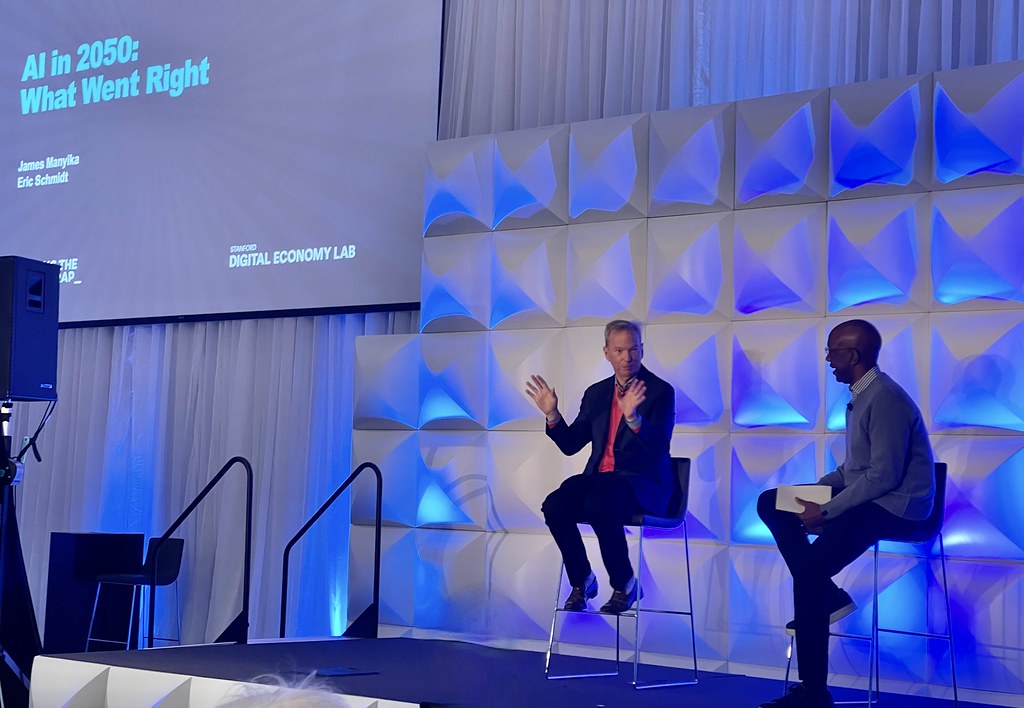
AI companies regulation is becoming a hot topic as Bill Gates emphasizes the need for government oversight. He argues that self-regulation alone is insufficient to ensure ethical practices in the rapidly evolving AI industry.
The Importance of AI Regulation
As artificial intelligence continues to advance at a rapid pace, the importance of AI companies regulation has become increasingly apparent. Bill Gates, a prominent figure in the tech industry, emphasizes that self-regulation by these companies is insufficient to address the potential risks associated with AI technologies.
In a recent statement, Gates argued that without proper oversight, the unchecked growth of AI could lead to significant societal challenges. He believes that government involvement is crucial in establishing frameworks that ensure ethical practices and public safety. The following points highlight the reasons why regulation is essential:
- Mitigating Risks: Regulation can help identify and mitigate risks associated with AI, including privacy concerns and algorithmic biases.
- Ensuring Accountability: A regulatory framework would hold AI companies accountable for their actions and decisions, fostering transparency.
- Promoting Innovation: Clear regulations can create a stable environment that encourages responsible innovation, benefiting both consumers and businesses.
- Protecting Society: Government oversight can protect society from potential harm caused by AI, ensuring that the technology is used ethically and responsibly.
In conclusion, as AI continues to shape various aspects of our lives, comprehensive regulation is essential to safeguard public interest and foster a responsible approach to technological advancement.
Bill Gates’ Perspective on AI Oversight
Bill Gates, co-founder of Microsoft and a longstanding advocate for technology oversight, has voiced strong support for increased government involvement in the regulation of AI companies. In a recent statement, he emphasized that self-regulation within the tech industry is insufficient to address the potential risks associated with artificial intelligence. Gates argues that without proper oversight, the rapid advancements in AI could lead to unintended consequences that may endanger public safety and ethical standards.
He highlighted several key areas where government oversight could play a crucial role:
- Safety Standards: Establishing guidelines to ensure AI systems are designed and operated safely.
- Accountability: Creating frameworks to hold AI companies accountable for their technologies and their impacts on society.
- Transparency: Encouraging transparency in AI algorithms to build public trust and understanding.
Gates believes that a collaborative approach between the government and AI companies is necessary to foster innovation while safeguarding public interests. He calls for a proactive stance on AI companies regulation, urging policymakers to engage with industry leaders to develop effective regulatory measures that address the complexities of AI technology.
Challenges of Self-Regulation in AI
Self-regulation among AI companies presents significant challenges that may hinder effective oversight. While industry leaders often advocate for self-governing frameworks, the complexities of artificial intelligence demand a more structured approach. Bill Gates has pointed out that relying solely on the industry to monitor itself is insufficient in addressing potential risks and ethical concerns.
One major challenge of self-regulation is the inherent conflict of interest that arises when companies prioritize profit over safety. AI firms may hesitate to disclose issues or implement necessary changes if it threatens their bottom line. This can lead to a lack of transparency, making it difficult for stakeholders, including consumers and regulators, to fully understand the implications of AI technology.
Moreover, the rapid pace of AI development complicates self-regulatory efforts. As new innovations emerge, existing guidelines may quickly become outdated. It is crucial for governments to step in and establish comprehensive regulations that can adapt to the evolving landscape of AI companies regulation. Without external oversight, there is a risk that ethical standards will be compromised, leading to unforeseen consequences for society as a whole.
Government’s Role in Monitoring AI
The discussion surrounding AI companies regulation has intensified, with prominent figures like Bill Gates advocating for increased government involvement. Gates emphasizes that while self-regulation among AI companies is vital, it is insufficient to ensure the safe and ethical development of artificial intelligence technologies.
Governments play a crucial role in monitoring AI by:
- Establishing Standards: Creating clear guidelines and standards can help ensure that AI technologies are developed responsibly and ethically.
- Ensuring Accountability: Government oversight can hold companies accountable for their actions, particularly in cases where AI systems may cause harm or perpetuate bias.
- Facilitating Collaboration: Governments can foster collaboration between private sectors, academia, and regulatory bodies to share best practices and innovations in AI safety.
- Protecting Public Interest: By stepping in, governments can help protect individuals’ rights and privacy, ensuring that AI advancements benefit society as a whole.
As AI continues to evolve rapidly, the need for effective and comprehensive regulation becomes increasingly critical to safeguard society’s interests and mitigate potential risks associated with AI technologies.
Future of AI and Regulation
As artificial intelligence continues to evolve rapidly, the future of AI companies regulation remains a critical topic of discussion among industry leaders and policymakers. With increasing capabilities of AI technologies, the potential for misuse or unintended consequences necessitates a structured regulatory framework.
Experts argue that robust regulations can help ensure that AI development aligns with ethical standards and societal values. Bill Gates has emphasized that government oversight is essential, noting that self-regulation by AI companies often falls short in addressing the complexities and risks involved. He advocates for a collaborative approach where tech companies work alongside regulators to create comprehensive guidelines.
Moreover, establishing clear regulations can also foster innovation by providing a stable environment for companies to develop their technologies responsibly. Key considerations for future AI regulation may include:
- Transparency: Ensuring that AI systems are understandable and traceable.
- Accountability: Defining clear responsibility for AI actions and decisions.
- Inclusivity: Promoting diverse perspectives in the development of AI technologies.
In conclusion, the future of AI companies regulation will likely require a delicate balance between fostering innovation and ensuring public safety and ethical standards are maintained.
Bill Gates emphasized the urgent need for AI companies regulation to ensure ethical practices in the rapidly evolving technology landscape. He believes that without proper AI companies regulation, the potential risks could outweigh the benefits of innovation.
By jurvetson via Openverse