

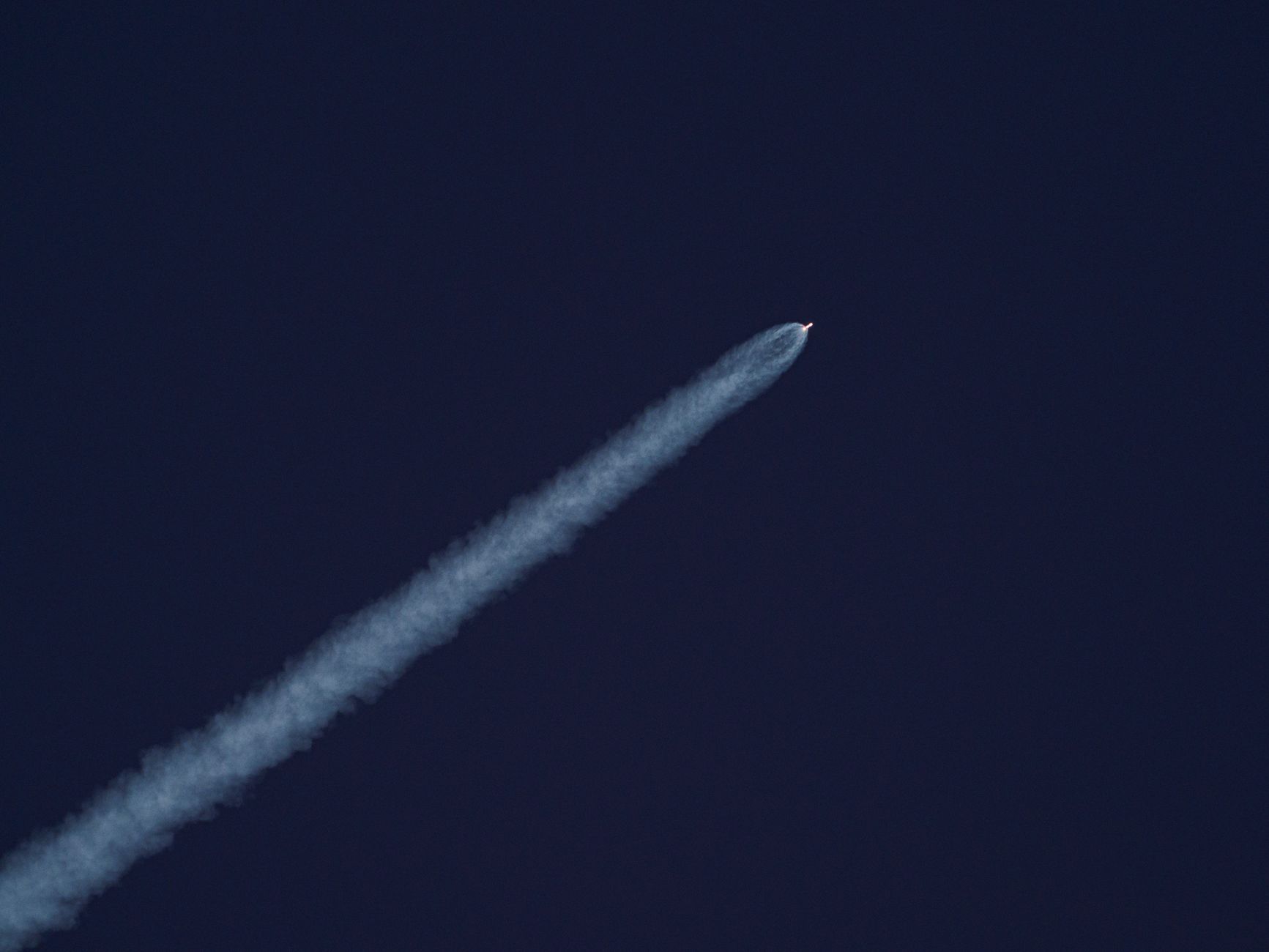
Starliner spacecraft launch has been delayed, with Boeing now targeting 2028 for its crewed mission to the ISS. This news raises concerns about the spacecraft’s reliability and performance.
Boeing’s Starliner: An Overview
Boeing’s Starliner spacecraft is a critical component of NASA’s initiative to transport astronauts to the International Space Station (ISS). Designed to carry up to seven crew members, the Starliner aims to provide a reliable and safe means of space travel.
Despite its ambitious goals, the program has faced numerous challenges and delays. Originally slated for earlier missions, the Starliner spacecraft launch has been postponed multiple times due to technical issues and safety concerns. These setbacks have raised questions about Boeing’s ability to meet the expectations of NASA and the broader space community.
The latest timeline suggests that the Starliner will finally embark on its crewed mission in 2028. However, this forecast comes amid a backdrop of uncertainty, as Boeing works to resolve lingering issues from previous uncrewed test flights. Observers are wary, given that the mission’s success is crucial for future crewed space exploration.
Key points regarding the Starliner include:
- Capacity for seven astronauts
- Integration with the ISS operations
- Significant technological advancements
- Continued scrutiny from regulatory bodies
As the launch date approaches, the pressure mounts for Boeing to deliver a spacecraft that meets the rigorous standards of space travel.
Challenges Facing the Starliner Launch
The upcoming Starliner spacecraft launch faces a multitude of challenges that could hinder its success. Despite Boeing’s optimistic projections, the path to a 2028 mission is fraught with uncertainty. Key issues include:
- Technical Delays: Ongoing technical problems have plagued the Starliner program, leading to missed deadlines and increased scrutiny from NASA.
- Budget Constraints: Funding for the project has been inconsistent, raising concerns about whether sufficient resources will be available to complete necessary modifications and testing.
- Regulatory Hurdles: Navigating the complex landscape of space regulations can slow progress. Regulatory approvals are essential for safety assessments and operational readiness.
- Competition: Other companies, such as SpaceX, are advancing their own crewed missions, potentially diminishing the urgency and focus on Starliner’s launch.
- Public Perception: With past failures still fresh in the minds of stakeholders, public confidence in the Starliner program is waning, which could impact future investments.
As the clock ticks down to 2028, it remains to be seen if Boeing can address these challenges effectively and deliver a reliable spacecraft for its intended mission.
What to Expect from the 2028 Mission
The upcoming Starliner spacecraft launch in 2028 is expected to bring a mix of excitement and apprehension. As Boeing prepares for this crucial mission, there are several factors that stakeholders should keep in mind.
First, the primary objective of the 2028 mission is to successfully transport astronauts to the International Space Station (ISS). However, there are concerns about the spacecraft’s reliability, given the setbacks it has faced in previous test flights.
Some key aspects to watch for include:
- Timeline Adjustments: The 2028 mission may face further delays, impacting NASA’s broader plans for crewed missions.
- Safety Protocols: Enhanced safety measures are likely to be implemented, especially after the scrutiny surrounding past failures.
- Technological Upgrades: Boeing is expected to integrate advanced technology and systems to improve the Starliner’s performance.
Furthermore, stakeholders will be keenly observing the collaboration between Boeing and NASA, as their partnership will be essential for ensuring the success of the Starliner spacecraft launch.
Future of Crewed Space Travel
The future of crewed space travel is poised for significant developments, particularly with the upcoming Starliner spacecraft launch slated for 2028. As NASA continues to rely on commercial partners, the success of this mission will undoubtedly shape the trajectory of human space exploration.
Despite the setbacks faced by Boeing’s Starliner, the spacecraft represents a critical step in addressing the growing need for reliable transportation to the International Space Station (ISS). The 2028 mission aims to not only transport astronauts but also to ensure that the technology is robust enough to support future lunar and Martian expeditions.
Several key factors will influence the mission’s success:
- Safety Protocols: Enhancements in safety measures are essential to prevent past mistakes from recurring.
- Technological Advances: Continued innovation in spacecraft design and functionality is necessary for crewed missions.
- Collaboration: Partnerships with other space agencies and private companies can improve mission outcomes.
As the industry watches closely, the 2028 Starliner launch will not only impact Boeing’s reputation but also redefine the future landscape of human spaceflight.
The recent setbacks surrounding the Starliner spacecraft launch have raised concerns about the feasibility of the planned 2028 mission. Many experts believe that the issues encountered during the Starliner spacecraft launch could lead to significant delays and cost overruns.
Photo by Dirk Schuneman on Pexels
Sources
You might also like
Manus funding round: Is it the best investment opportunity? · Claude Haiku 5.5 model: The Best Proven AI Solution · Claude Haiku 5.5 model: The Best AI Model Unveiled